
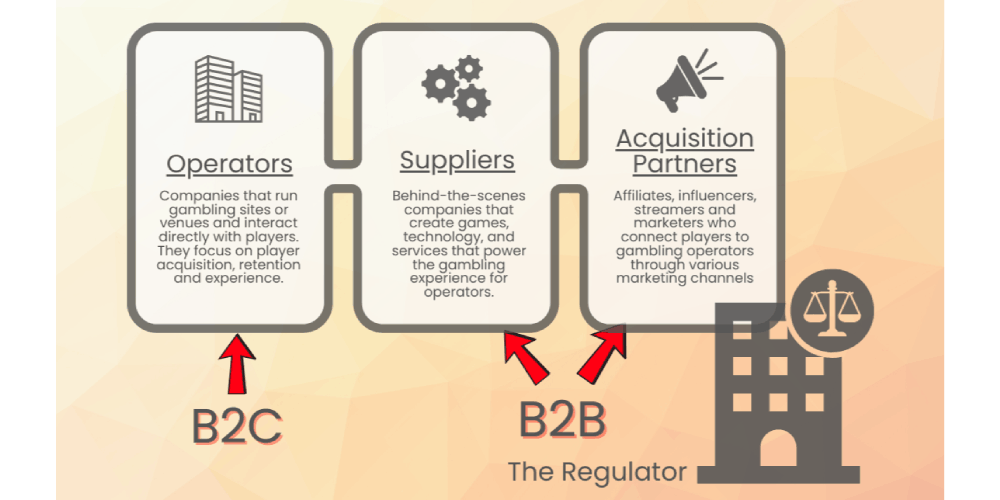
The gambling industry is one of the major entertainment industries in the world, providing consumers with a broad variety of opportunities to gamble money on games, athletic events and other outcomes. The industry has changed a lot with the development of technology from old bookies and land-based casinos to sophisticated internet gambling sites and mobile applications.
Today players can play casino games, sports betting, poker, bingo and other forms of gambling from their computers and cellphones. Meanwhile, in many nations, land-based casinos, betting shops and gaming venues remain open.
Knowledge of how the gambling business operates can help players make better choices about where and how they wager.
The gambling industry is comprised of businesses that facilitate gambling. These can include operators of casinos, online gambling sites, and sports betting platforms, as well as manufacturers of gambling machines and equipment, such as slot machines and roulette tables. The industry also includes companies that provide support services, such as payment processing and customer support.
The gambling sector encompasses enterprises and organizations that offer games or opportunities for betting, where players wager money or something of value on an uncertain outcome.
The industry is divided into a number of major sectors. They include online casinos, land-based casinos, sports betting, horse betting, poker, bingo, lotteries and gaming machines.
These activities are varied, but they are all based on the same fundamental idea: players place a bet and can receive a financial reward if a specific event occurs.
The industry is so much more than casinos and bookmakers. Software developers construct games and gambling platforms . Payment businesses handle deposits and withdrawals . Regulators write laws . Licensing agencies regulate operators .
Gambling on the Internet
The online gaming is one of the key sections of the current gambling industry. Players can access gambling websites on desktop computers, tablets and cellphones, and they don't have to go to a physical location.
Online casinos typically have hundreds or thousands of games. This includes slots, roulette, blackjack, baccarat, video poker and live dealer games.
Slots are particularly popular because they are easy to learn and come in a huge range of themes and styles. Roulette and blackjack are also popular, and live casino games offer players the chance to engage with a real dealer through a broadcast video link.
Online sportsbooks work in much the same way, with clients able to place bets on sports and other events. Markets can include football, tennis, basketball, horse racing and many other sports, depending on the operator and local rules.
Land Based Gambling
While online gambling is growing rapidly, traditional gaming locations are still an essential part of the market.
Roulette, blackjack, poker and gaming machines are available in land-based casinos. Casinos are visited physically by players and typically involve an exchange of cash for chips or electronic payment options where available.
Another traditional element of the industry is the bookmakers. Customers gamble on sports and horse racing, usually through betting slips or electronic terminals.
The primary distinction between land-based gambling and online gaming is the setting. The online gaming provides ease and accessibility while the physical locations offer a social environment and human engagement.
How Do Gambling Companies Make Their Money?
Gambling operators typically profit from mathematical edges built into games, or from margins built into betting odds.
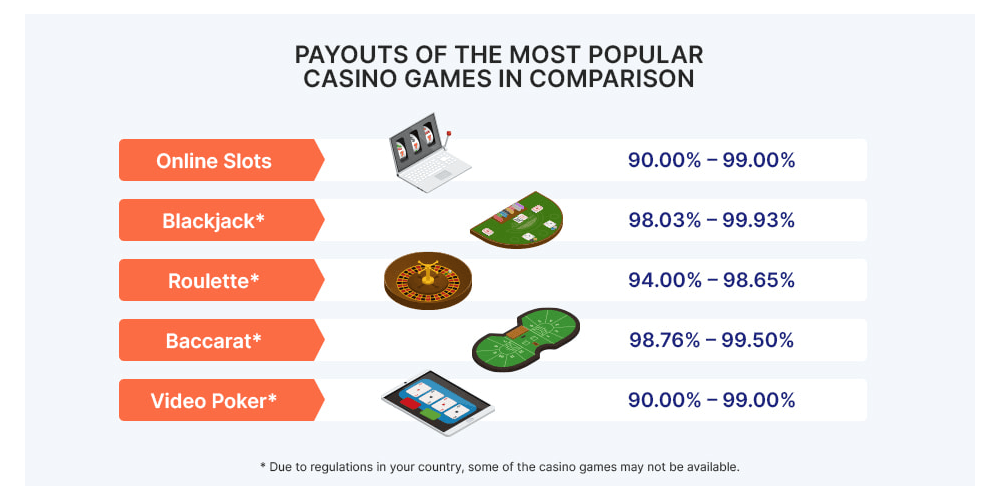
The operator’s advantage in casino games is generally known as the house edge. This is the mathematical advantage the casino has over players over a large number of bets.
For example, the European version of roulette has 37 numbers, including one zero. The casino has a mathematical edge because rewards are determined by 36-number outcomes.
Sportsbooks have another system. Bookmakers set their odds with a margin, (often termed the overround or vig). The chances supplied to clients are thus typically less favorable than the probability implied by a completely fair market.
That doesn’t mean that every individual bet is a loser. That is, the operator has arranged its games or markets so that it expects to make money on a rather large amount of wagers.
Gambling Licensing & Regulation
Regulation is a huge part of the gambling industry. Licensed operators are normally obliged to adhere to standards in areas including customer verification, financial transactions, advertising, responsible gaming and player protection.
Each country has its own regulatory framework. So a company may be licensed in one location but not be able to do business in another.
Before playing on an online gambling site, gamers should verify whose company is behind the website and the regulatory authority which gave the licensing.
Regulation can also decide what payment methods, bonuses and games and betting goods are available.
Gambling Software Providers
Most online casinos don’t make all of their own games. Instead they often partner with professional software companies.
The companies design slot machines, table games, live casino products and other gambling software. Large catalogs of games may be released by well-known game developers on several casino websites.
There are a lot of online casino games that use random number generators, sometimes shortened to RNGs, to decide outcomes. An RNG is coded to produce random values that under the rules of the specific game are unpredictable.
This is not true for live casino games, where the outcome is determined by a live physical game, such as a roulette wheel or blackjack table, that is transmitted to participants online.
Withdrawals and deposits
Payment processing is another key component of the gambling industry. Depending on the country of operation, online gambling providers may support a few payment methods.
Popular choices are debit cards, bank transfers, electronic wallets and other online payment systems.
Players should carefully check the minimum and maximum limits for transactions, the processing times and any relevant fees before making a deposit or withdrawal.
Identity verification is also a common one. Operators may request documentation that authenticate the customer’s identity, address or method of payment. Often these controls are driven by legal and regulatory needs.
Bonuses & Promotions
Online gaming sites regularly promote bonuses and promotions to entice new clients or keep current consumers utilizing their services.
These include welcome offers, deposit bonuses, free spins, cashback incentives, and loyalty schemes.
But a bonus is seldom as straightforward as merely getting free money. Usually promotional deals will include terms & limitations. They may include wagering requirements, acceptable games, maximum winnings, minimum deposits and expiration dates.
Players should read the entire terms and conditions before claiming any promotion.
Gambling Industry and the Future of Technology
Technology still has its influence on gambling sector. Smartphones have increased the accessibility of mobile gambling and live streaming has revolutionized the presentation of online casino games.
Artificial intelligence, data analysis and better payment technology could possibly factor into the business going forward.
But with increased accessibility comes challenges. gaming services are available nearly at any time, therefore operators and regulators in the gaming industry must find a balance between convenience and player protection.
Gambling Responsibly
Gambling should always be viewed as enjoyment, not as a surefire means to make money.
Players should assess their comfort level with gambling and avoid betting more than they can afford to lose – money needed for rent, bills, food or other essentials.
You should also not chase your losses. Just because you’ve lost money doesn’t indicate you’re more likely to win the next bet or casino game.
Many regulated gaming businesses provide measures like deposit limitations, time limits, reality checks and self-exclusion. Customers can use these tools to assist control their gambling activities.
Final thoughts
The global industry of gambling is no longer confined to the classic casino, betting shop and lottery, but has grown to encompass entertainment, technology, financial services and regulation.
In terms of gambling, online casinos and sportsbooks provide access to a wide choice of games and betting markets, while land-based venues continue to provide a more traditional gambling experience. The current gaming ecosystem is underpinned by software developers, payment providers, regulators and licensing bodies.
If casino games, sports betting or horse racing are your interest then it’s good to know how the operators make their money, how the odds are calculated and how gambling is controlled before placing your bet.
Most significantly, gambling should be within the financial means of the person. No casino game or betting market can guaranty a profit and prudent gambling involves treating wagers as entertainment, not as a source of income.




New Players Only | Min £20 qualifying bets stake not returned | Free bet – one-time stake of £40, min odds 1.5, stake not returned | 1X wager the winnings | Wager from real balance first | Wager calculated on bonus bets only | Max conversion: £200 | Valid for 7 Days from issue | Withdrawal requests void all active/pending bonuses | Excluded Skrill and Neteller deposits |

Get up to £10 bonus credit after registration. New, ID Verified players only. 40x wagering requirement. 7-day expiry. £50 max withdrawal.


A safe and engaging gaming experience depends on responsible gambling. Set boundaries, play within your means, and get assistance if necessary. Your health is important.



© Beast of Casino, 2026. All rights reserved.